
Start with what the source tells us
CMS describes the NPI Registry as a query service refreshed daily. It also explains that the records contain information reported to NPPES by providers or those acting on their behalf. A current entry is therefore evidence of what the registry reports.
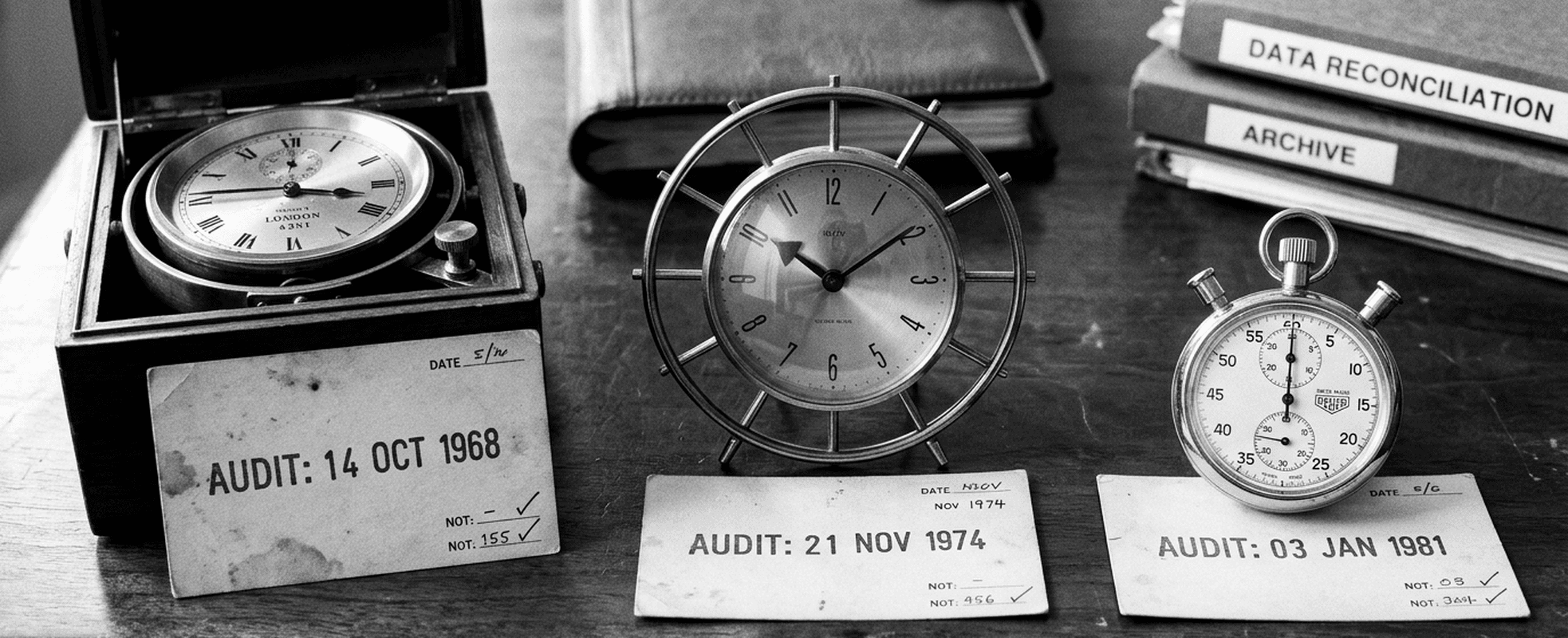
That leaves an important design question: which moment should a change feed attach to an update? Our approach keeps three meanings separate.
Keep the three clocks separate
The real-world event is when something actually happened: for example, a practice moved. A registry comparison alone does not establish that date.
The source update date is the date supplied by NPPES. It belongs to the source record; it is not proof of the effective date of each individual field.
The detection time is when Xcircl LLC observed a difference between successful checks. This is the timestamp used to review and export the collected change feed.
What this means in practice
Consider this fictional example: a practice moves on Monday, its record is updated later, and a monitoring check finds the new address on Thursday. The feed can report the detected difference on Thursday. It cannot infer Monday from those two snapshots.
For this reason, the first successful check establishes a baseline instead of inventing an earlier event. Failed checks preserve the prior successful record. A later comparison may reveal a difference, but cannot recover every intermediate change.
A timestamp should explain its evidence
Keep detection time, source date and source link together when reviewing an update. When an operational decision depends on an effective date, seek evidence for that date separately.
This note explains the current monitoring method. It does not measure registry reporting delays or claim a guaranteed detection time.